Improving public health and reducing the spread of disease
Access to basic health and sanitary items is often limited in developing countries, leading to increased health risks and higher rates of illness and disease.
Providing essential items such as soap, hand sanitizer, menstrual hygiene products, and basic first aid supplies can significantly impact the health and well-being of people in these communities.
Education on proper hygiene practices is also essential to ensure that people know how to use these products effectively.
Collaboration with local organizations and community leaders can help ensure that the items are distributed effectively and efficiently and that they reach those who need them most.
Consider the sustainability of these efforts and work towards long-term solutions that address the root causes of poor health and sanitation in these areas.
-

Education
Poor sanitation can have a negative impact on education. Inadequate sanitation facilities in schools can result in absenteeism. Good sanitation practices in schools can improve attendance and academic performance.
-

Tourism
Sanitation is important for the tourism industry as it is often a key factor for visitors when choosing a destination. Countries with good sanitation practices are more likely to attract tourists, leading to increased revenue and job creation.
-
Agriculture
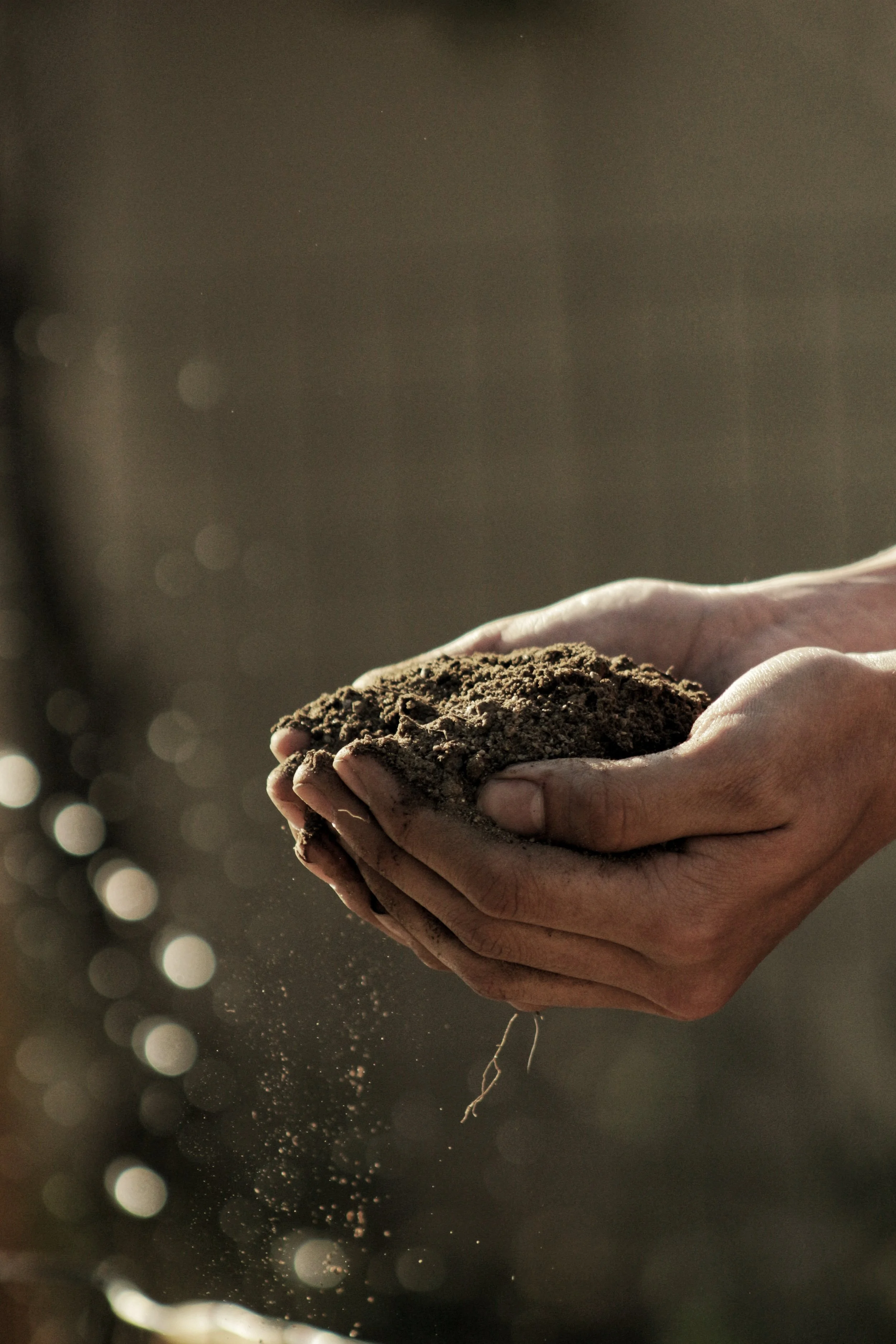
Sanitation is crucial for maintaining food safety and preventing the spread of diseases through contaminated food. Proper waste management and good hygiene practices can help reduce the risk of foodborne illnesses and improve food quality.
-

Environment
Good sanitation practices can help protect the environment by reducing pollution and preserving natural resources such as water. Proper waste management practices, such as recycling and composting, can also help reduce the amount of waste going to landfills, leading to a cleaner and healthier environment.
Importance of Sanitation Assistance
-
Access to basic health and sanitary items such as soap, clean water, and basic medical supplies can help prevent the spread of diseases, reduce the incidence of infections, and improve overall health and hygiene.
-
Lack of access to basic health and sanitary items can lead to preventable deaths from easily treatable diseases such as diarrhea, pneumonia, and malaria. By providing these items, we can help reduce the number of preventable deaths in developing countries.
-
Providing health and sanitary items can empower local communities by giving them the tools they need to take control of their own health and well-being. This can lead to increased self-reliance and resilience and can help communities become more sustainable over time.
-
Improved health outcomes can lead to economic benefits for developing countries. By reducing the incidence of illness and disease, communities are better able to participate in the local economy and contribute to overall economic growth.
-
Providing health and sanitary items to developing countries is a matter of basic human decency and compassion. No one should have to suffer needlessly due to lack of access to basic health and sanitary items, and it is our responsibility as global citizens to help those in need.
Health and sanitary items can be provided to developing countries to help fight disease
-
Access to clean water is essential for good health and hygiene. In many developing countries, water sources are contaminated with bacteria, viruses, and parasites, leading to waterborne illnesses. Providing clean water through the installation of wells, water treatment systems, and water filters can help reduce the spread of disease and improve overall health.
-
Lack of access to basic sanitation facilities is a major challenge in many developing countries. This can lead to the spread of diseases such as cholera, diarrhea, and typhoid fever. Providing access to toilets, handwashing stations, and waste management systems can help improve hygiene and reduce the spread of disease.
-
PPE such as masks, gloves, and gowns can help protect healthcare workers and the general public from infectious diseases. Providing PPE to healthcare facilities in developing countries can help prevent the spread of disease and protect those on the frontlines of healthcare.
-
Many developing countries face shortages of essential medications and medical supplies. Providing these items can help prevent and treat illnesses and save lives.
-
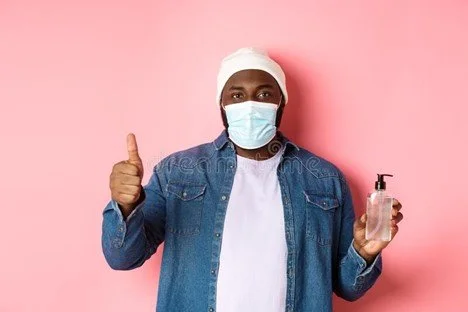
Regular hand washing is one of the most effective ways to prevent the spread of disease. Providing soap and hand sanitizer can help promote good hygiene practices.
-
Malaria is a major health problem in many developing countries. Mosquito nets can be used to prevent mosquito bites and reduce the spread of the disease.
-
Providing access to essential medications and vaccines can help prevent and treat a range of illnesses, from common infections to more serious diseases like HIV/AIDS and tuberculosis.
-
Education and outreach are also important components of disease prevention. Teaching people about proper hygiene practices, disease prevention, and the importance of vaccinations can help promote good health and prevent the spread of disease.
It is crucial to approach such efforts in a culturally sensitive and sustainable manner, working closely with local communities to ensure that our efforts are effective and meaningful.
-

Preventing the Spread of Diseases
Diseases like cholera, diarrhea, and pneumonia are easily preventable with basic sanitation and hygiene practices. By providing access to clean water, soap, and other hygiene products, we can prevent the spread of such diseases.
-
Promoting Good Health
Access to basic health items like vitamins, medications, and first-aid kits can help prevent and treat illnesses. This can lead to better health outcomes and an overall improvement in the quality of life.
-

Empowering Communities
By providing health and sanitary items to communities, we can empower them to take control of their health and well-being. This can lead to increased self-sufficiency and resilience in the face of health challenges.
-

Addressing Inequalities
Many developing countries lack basic health and sanitation infrastructure, which can lead to significant health disparities. By providing health and sanitary items, we can address some of these inequalities and promote greater equity in global health.